Skip to content
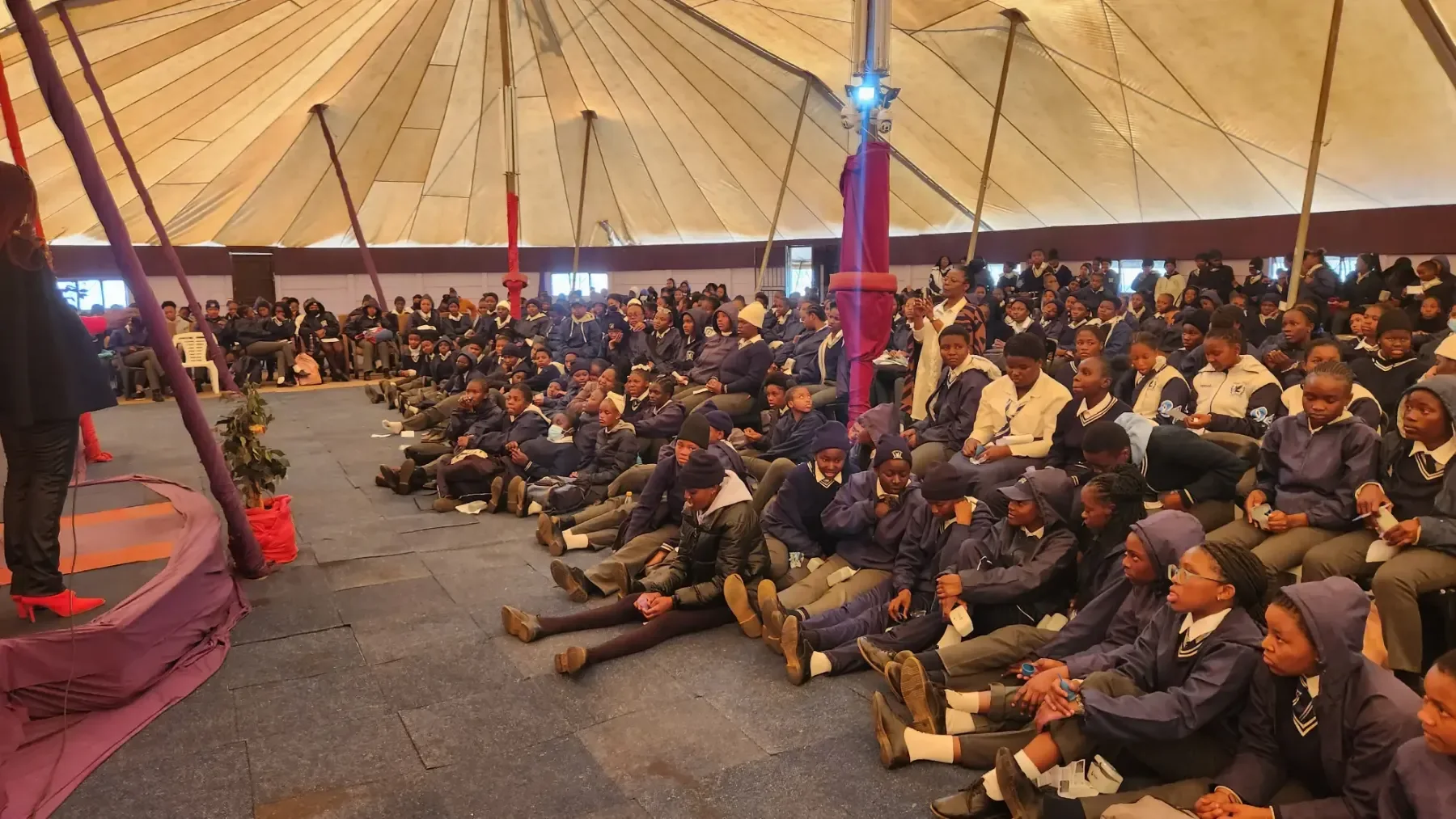
Learners seated in a marquee during the Ibhongo Secondary School activation in Soweto

Seven days a month. We're taking them back.

The average girl misses 7 days of school every month because of her period. Over a year, that adds up to about three months. A ten-year cup and a workshop give that time back.

One school monthWithout products
7school days missed this month
The problem

One missing product. Five ways it hurts.

Period poverty affects girls and women mentally and physically. When there is nothing to use, the effects spread into every part of her life.

Period poverty is a lack of access to menstrual products, hygiene facilities, waste management and education.Definition: Global Health Journal
No access to period productsThe root
Side by side

Pads, tampons, or one cup.

Tampons and pads are short-term, costly solutions. For girls who can get them at all, they run out fast. Here's how a lifetime compares.

Over a lifetime
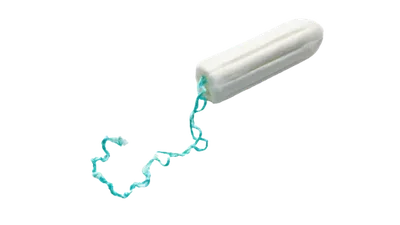
Tampons
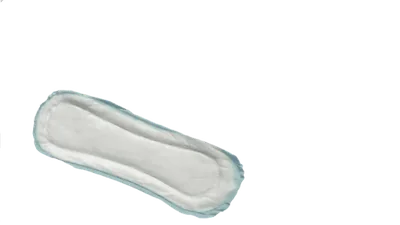
Sanitary pads
She PowHer cup
Needed per person
11 000 – 17 000
11 000 – 17 000
4 – 6 cups
Waste created
About 200 kg
About 200 kg
About 80 g
Plastic content
About 6% plastic
About 90% plastic
100% medical-grade silicone
Change or empty
Every 4–8 hours
Every 4–8 hours
Every 12 hours
Lifespan
Single use
Single use
Up to 10 years
2 500×less waste from a lifetime of cups than from a lifetime of pads or tampons.200 kg of disposables compared with 80 g of silicone.

The solution

A ten-year solution, made at home.

The foundation travels to educate girls and women on menstrual hygiene, and gives each girl a She PowHer menstrual cup. Explore the cup to see what makes it different.

  • No pesticides
  • No latex
  • No genetically modified materials
  • No chemicals
  • No plastic
  • No bleached materials
  • No synthetic aromas

Recognised and certified by

  • ISO 9001
  • ISO 13485
  • SAHPRA licensed
  • SABS
  • Good Laboratory Practice (GLP)
  • AAALAC-certified laboratory
  • Halaal Foundation of South Africa
  • CE declaration of conformity

The environmental effects

A pad outlives her by centuries.

Menstrual products can take up to 500 years to break down in a landfill, leaching chemicals into soil and water and breaking down into microplastics. A cup lasts ten years, then it's done.

52.4 million kgof sanitary product waste generated in South Africa every yearBy around 16 million menstruators aged 15–49
5.3 kg CO₂ecarbon footprint of one person's sanitary products each yearHarvard, 2016
7 000 – 29 000 Lof water needed to grow one kilogram of cotton for tampons
Up to 90%of a sanitary pad is plastic, made with fossil fuels
500Years in a landfill
A pad or tampon: up to 500 yearsA cup's working life: 10 years
Global goals

Our work supports eight UN goals.

The She PowHer Foundation contributes to these United Nations Sustainable Development Goals.

Goal1No poverty
Goal3Good health and well-being
Goal4Quality education
Goal5Gender equality
Goal6Clean water and sanitation
Goal10Reduced inequalities
Goal12Responsible consumption and production
Goal13Climate action
Want to make a difference?

Give her back her school days.

Every donation helps us put a ten-year menstrual solution, and the knowledge to use it, into the hands of a girl who would otherwise go without.

One past campaign R44 000

raised to help 160 girls stay in school.